Make Me a Country Song: Original Prompts to Adapt
Turn “make me a country song” into a specific story. Use original gift, sad-song and playful prompts, then revise the lyric and choose a vocal direction.
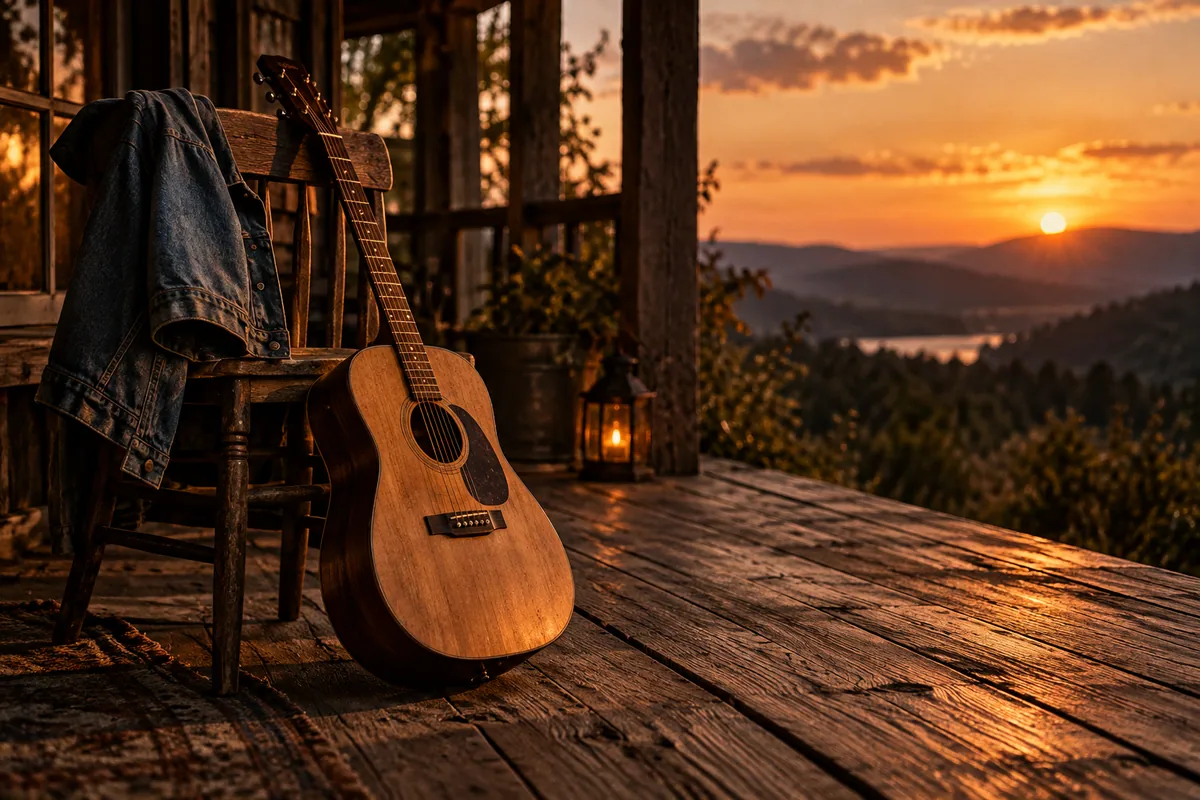
“Make me a country song” becomes a more useful request when you add a person, a small event, and the feeling that changes. You can write the brief and lyrics for free, then decide whether to sing it yourself or spend credits on a generated performance. The prompts below are original exercises you can adapt to your own story.
Turn the request into a story the singer can tell
Imagine you want a country song for your boyfriend. “He is wonderful and I love him” is sincere, but it gives every verse the same job. Add a moment that makes the affection recognizable: he drives across town with a spare umbrella because yours broke outside the station.
Now you have a useful sequence:
- The first verse shows the bad weather and the waiting.
- The chorus names the meaning: someone makes the hard day easier.
- The second verse recalls a different ordinary act of care.
- The ending returns to the umbrella with a changed feeling.
This does not require a dramatic biography. A small event can carry a large emotion if the lyric gives the listener enough room to understand it.
A complete country prompt for a personal gift
Write an original country lyric called “The Other Side of the Rain.” The narrator is thanking a partner who arrived at the station with a spare umbrella after a difficult workday. Use conversational language, one clear scene in each verse, and a short chorus about small acts of care. Avoid generic promises about forever and do not mention a real artist. Keep the second verse different from the first. After the lyric, list any lines that may be difficult to sing.
The important distinction is between material and delivery. The lyric prompt explains what happens. Your music brief might say:
Gentle country-pop with rhythmic acoustic guitar, warm bass, and a few piano responses. An unforced lead vocal, clear words, and a modest lift in the chorus. Leave a little silence after the final thought.
Save those blocks separately. If you change the story later, you will not need to guess which part of the musical description was doing what.
Three different country-writing directions
A sad song with a specific loss
A narrator repaints an empty porch after a friend moves away. The old color is still visible under the railing. Write a restrained country lyric about accepting that a place can change without erasing what happened there. End with an action rather than a speech about healing.
This is a creative story prompt, not a claim about grief treatment. “Sad” can describe hesitation, absence, or disappointment; choose the one you intend instead of asking every line to announce sadness.
A playful song about a minor disaster
A couple gets lost on the way to a picnic, forgets the bottle opener, and eats sandwiches beside the wrong lake. Write a light country story in which the day becomes memorable because the plan fails. Keep the humor affectionate and give the chorus a phrase they could actually say to each other.
The failure has consequences the listener can picture. You do not need a punchline at the end of every line. Let a few ordinary details do the work.
A fresh start without a grand speech
A worker clocks out on the last day at an old job and takes their lunchbox home for the final time. Write a country lyric about mixed relief and uncertainty. Let the chorus hold both feelings, and use the lunchbox as an occasional image rather than repeating it in every sentence.
This prompt gives the singer an emotional tension. A confident final chorus can then feel earned rather than attached as a motivational slogan.
Revise a cliché into evidence
Start with the original draft line “You always know just what to do.” It could belong to thousands of songs. In our station story, try “You held the umbrella over my side.” That action tells the listener what kind of care the narrator noticed.
Now test the line aloud. If “umbrella” crowds the melody, try “You kept the rain off my shoulder.” The image changes slightly but preserves the action. A useful revision keeps the story and improves the performance at the same time.
For a full method, read how to write song lyrics. If you already have a strong title, the title-to-lyric exercise helps connect it to verses and a chorus.
Describe a country voice without naming a singer
“AI country singer” can mean several things: an original generated vocal, a synthetic singing tool, or a voice-conversion system. This workflow concerns the first. It does not promise to clone a named artist or replace the voice in an uploaded track.
Use general delivery cues that serve the story: close and conversational for the umbrella scene, patient and restrained for the porch story, or energetic but intelligible for the picnic mishap. The same lyric may feel quite different under those choices, so change them deliberately.
From free words to an optional singing version
You can adapt these prompts in your own notebook or bring the story to the country lyric workspace. Anonymous lyric drafts are available within SongLab's shared daily allowance. Edit the result and keep the details that belong to the person receiving the song.
When you want music, start a personal song in SongLab with the revised lyric and sound brief. Music generation requires login and 100 credits per generation. Free prompts and editable lyrics do not make the rendered performance free. You can also keep the words and record the song yourself.
Country prompt questions
Can I make a country song for my boyfriend without using his full name?
Yes. A familiar detail, a nickname you want to share, or a private phrase can make the gift recognizable. Avoid adding information you do not want in the finished recording or a public share page.
How do I make a sad country song less generic?
Choose the particular absence or change, then show one action that reveals it. Give the second verse new information instead of adding more synonyms for sadness.
Can I use a random idea?
Randomness can start the exercise. Once an idea appears, choose a narrator and meaning so the song has a direction. A collection of unrelated scenes is harder to follow.
Does this teach Vocaloid programming?
No. A voicebank editor and a text-to-music workflow are different tools. This guide focuses on story prompts and original country performance direction.