Suno Prompts: A Style Guide with Original Examples
Write clearer Suno prompts by separating lyrics and sound direction. Adapt four original briefs, diagnose weak results, and revise one choice at a time.
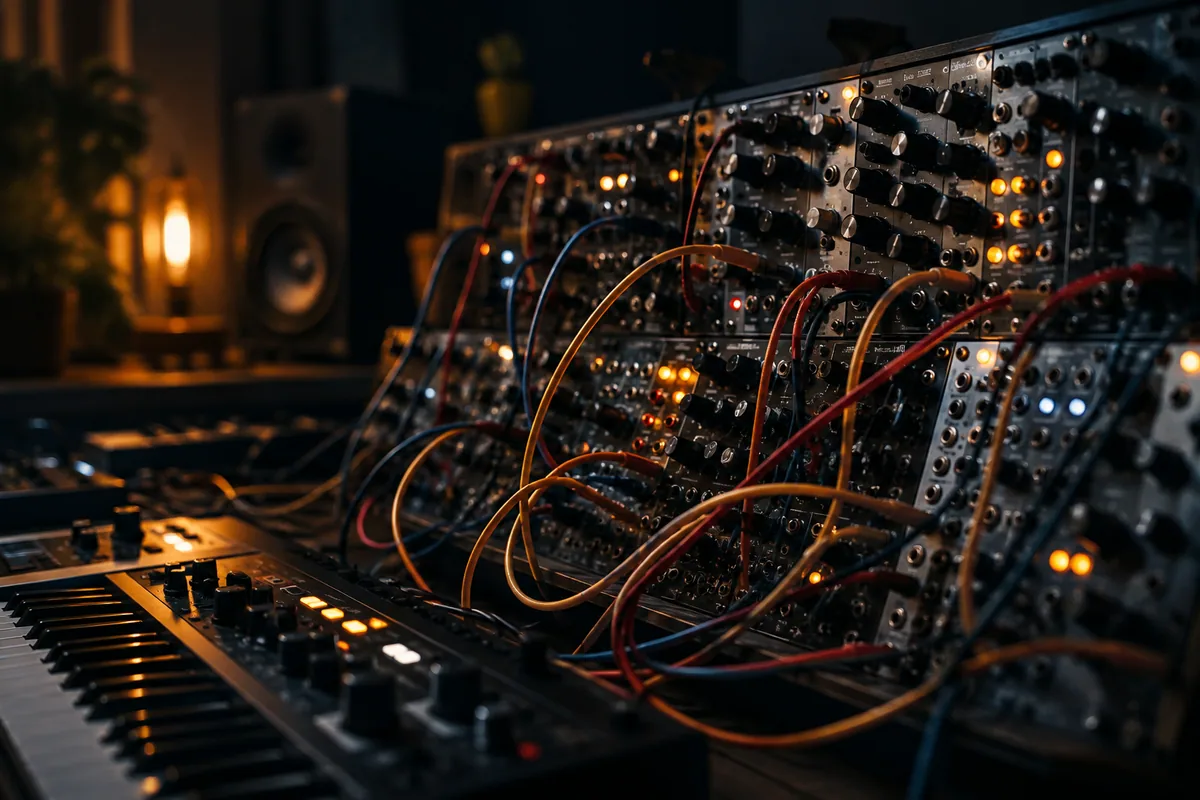
A useful Suno prompt describes a coherent musical direction: the main style, the role of a few sounds, the vocal delivery, and how the song should develop. Keep the exact words you want sung separate from production instructions, then revise one meaningful choice after listening.
Editorial note: the examples below are original writing exercises. Suno documentation was checked on November 3, 2026; no claim is made that these prompts have been audio-tested or will reproduce an exact arrangement.
Separate the song idea from its sound
Your story might be “someone takes the long route home to delay a difficult conversation.” Its sound could be restrained acoustic pop, tense electronic music, or a conversational country ballad. Decide the story and the musical treatment separately so they do not become a pile of competing instructions.
Suno's Custom Mode guide separates lyrics from Styles and offers an Instrumental choice. The practical lesson is simple: a sentence about instrumentation should not accidentally become a sung line. Check the field you are editing before submitting.
On paper, make two blocks:
- Lyric brief: narrator, listener, situation, central thought.
- Sound brief: main style, lead sound, rhythm, delivery, arrangement change.
This also makes collaboration easier. A lyric writer can revise the story without having to decode a long list of production adjectives.
Build a compact style brief
Try the structure direction → roles → delivery → development. It is an editorial organizing tool, not a special command syntax.
For the long-route story, a first brief could be:
Restrained acoustic pop. Fingerpicked guitar carries the pulse, warm bass supports the harmony, and quiet percussion enters in the chorus. Close, conversational lead vocal. The verse feels hesitant; the chorus opens up without becoming a large anthem.
“Professional, emotional, incredible, cinematic, beautiful” does not tell you which sound should change. Replace a vague word with a musical job. If you want tension, describe a narrow vocal phrase or a sparse arrangement rather than adding three more synonyms for anxious.
Four original Suno prompt examples
A quiet country story
Intimate country ballad about returning a borrowed pickup. Acoustic rhythm guitar, restrained piano responses, warm bass, and brushed drums. A clear, patient lead vocal; a small lift in the last chorus; an unhurried ending.
This gives the narrator room. If it becomes too sentimental, change one aspect of delivery or instrumentation before replacing the entire story.
A bright birthday dedication
Playful acoustic-pop birthday song for an adult friend. Light guitar rhythm, handclaps, and a short singalong chorus. Friendly, clearly articulated vocal, with space around the person's name. Warm humor and a tidy ending.
Keep the actual name and personal memory in the lyric block. The musical description does not need to repeat every event in the story.
A late-night instrumental
Relaxed instrumental with soft electric-piano chords, rounded bass, and a restrained drum groove. Keep the lead motif short and leave space between phrases. Begin sparsely, add one contrasting texture in the middle, then return to the opening mood.
This asks for a shape without claiming an exact runtime. If duration matters, check the returned file and plan an edit.
A chorus-driven rock draft
Guitar-led melodic rock with a compact recurring riff and steady live-band drums. Urgent but intelligible lead vocal. Quieter verse support, a stronger chorus entrance, and a short instrumental response after the title line.
The description gives the riff and singer different jobs. A large list of subgenres would make that division harder to assess.
Use section notes sparingly
Labels such as Verse and Chorus can make your own lyric sheet easier to read. Do not treat every bracketed phrase you see online as a guaranteed instruction. If a section needs a change, express the intention clearly and test what the service actually returns.
For example, “leave a pause before the last chorus” is a musical intention. It does not ensure a specific number of bars. Save the lyric separately so you can distinguish a wording revision from a sound revision.
Suno's historical v4.5 announcement discussed more descriptive prompting. It is not a current-model specification or a universal character-limit reference. For current field limits, use the counter and validation in the version available to your account rather than a number copied from an older tutorial.
Diagnose a weak result before rewriting everything
| What you hear | A focused next experiment |
|---|---|
| The words feel rushed | Shorten the lyric line or ask for more space in the delivery |
| The chorus does not arrive clearly | Reduce the verse texture or clarify the chorus entrance |
| The arrangement is crowded | Remove a sound with no distinct role |
| The mood is inconsistent | Pick one central emotional direction and remove conflicting cues |
| A name is difficult to understand | Rewrite its surrounding phrase and add a pronunciation note |
These are hypotheses to test, not guaranteed fixes. Keep the original prompt and label each revision. “Version B: shorter chorus line” tells you more than “Version B: better.”
Budget the experiment
Decide what a successful next version would change before spending another generation. Read the current plan and the visible cost for the action you are about to take. This guide does not assign Suno a fixed price or an unlimited free allowance.
If you prefer to prepare the words first, use the lyric workspace or the hook workspace, both within SongLab's shared daily lyric allowance. The music brief guide offers a service-independent planning method. You can begin your own draft on SongLab; rendering music there requires login and 100 credits per generation.
Prompt questions
Is a longer prompt always better?
No. A shorter brief with clear roles is easier to evaluate than a long list of contradictory requests. Add detail when it resolves a specific ambiguity.
What is the current Suno style character limit?
Check the field counter in the current interface and selected mode. This guide does not publish an unverified limit across models, plans, or versions.
Should the lyrics include instrument instructions?
Keep the sung words and production direction distinct. A clearly labelled working sheet helps you notice accidental instructions before submission.
Can a prompt guarantee an exact tempo or arrangement?
A text brief expresses your intention. Judge the returned audio, and use an editing workflow when the delivery needs exact timing or a fixed structure.