How to Write a Clear Music Generation Brief
Describe mood, instruments, vocals and arrangement in a useful music brief. Learn how to make focused revisions and compare creative directions.
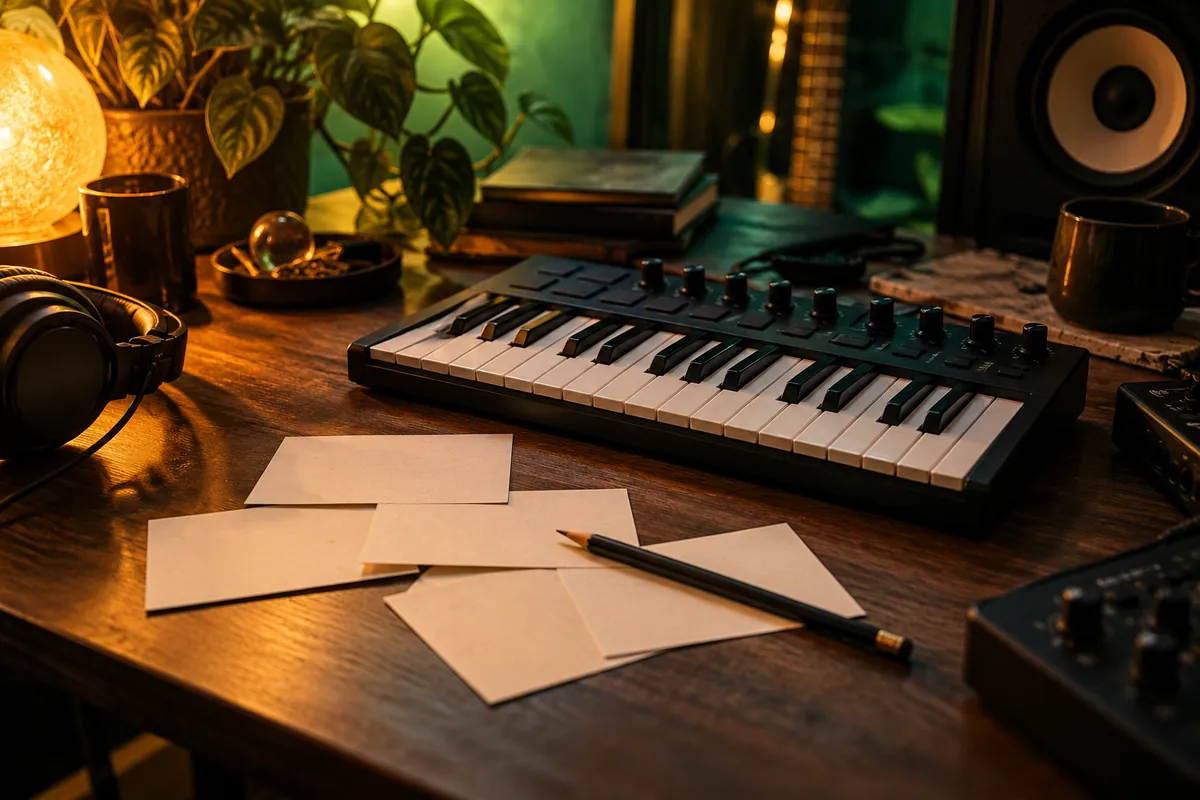
A useful music brief does not need a long list of adjectives. It needs a few decisions that another person, or a connected generation service, can understand. Start with the job the music has to do.
Name the moment and the listener
Describe where the music will be heard: a short film, a birthday gathering, a practice session, or a personal song. Add an approximate length and say what should change emotionally from the beginning to the end.
For a travel film, “a quiet opening that gradually feels more hopeful” gives the arrangement a direction. “Epic, calm, energetic, sad, and joyful” asks for several competing things without explaining when they belong.
Choose a small sound palette
Pick two or three important sounds rather than naming every instrument you enjoy. A gentle guitar, rounded bass, and a soft vocal can be a coherent starting point. Additional layers should solve a clear problem or mark a change in the scene.
Describe the role of each sound. Is the piano carrying the melody, providing simple chords, or appearing only at the ending? A role is often more useful than another adjective.
Separate words from production instructions
If you want a vocal, specify the language, general tone, and delivery. Keep exact lyrics in a clearly labelled lyric section. Do not expect every sentence describing a scene to become a sung line.
Use general vocal qualities rather than asking for an identifiable person. If source recordings or lyrics are involved, use material you are authorized to process.
Give the arrangement a simple arc
Write one sentence for the opening, one for the main section, and one for the ending. Explain what should enter, become stronger, or fall away. A clear contrast gives the music room to develop.
You can also name one thing to avoid, such as a crowded chorus or a sudden stop. Keep exclusions focused so they do not overwhelm the positive direction.
Revise one choice at a time
When you compare drafts or future generated results, keep the original brief. Change one important element, such as the drum feel or vocal presence, and record what improved. Comparing several simultaneous changes makes it harder to understand which decision helped.
Prepare your next idea in the music agent workspace, then explore a genre page for more focused arrangement suggestions. The present site offers brief preparation and local tools; automatic generation still needs a connected provider.